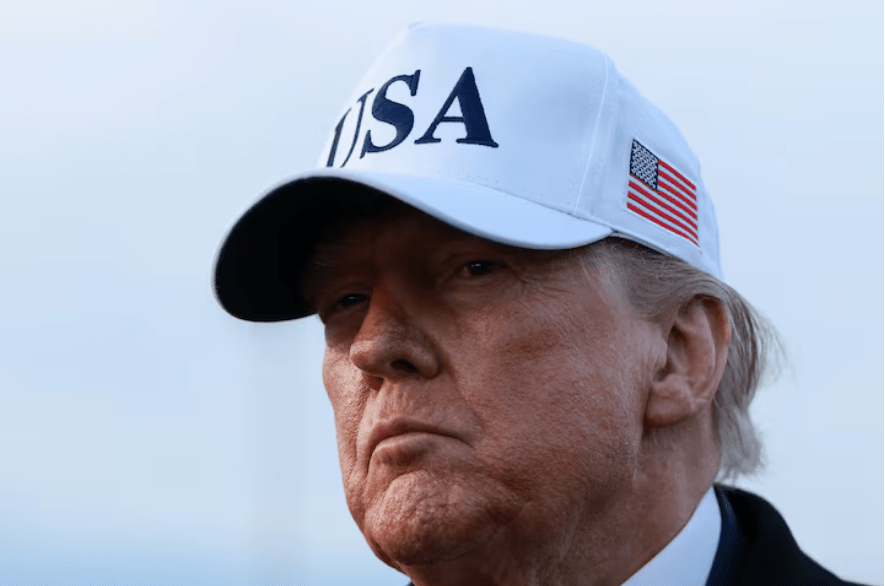
Ever since his decisive victory in the presidential elections, Donald Trump’s tenure in office has been nothing short of controversial. Since his inauguration, President Trump has issued more than 227 executive orders. These orders included far-reaching legislative actions such as the “One Big Beautiful Bill.” As a result of this sweeping legislation, roughly 1.2 trillion dollars was cut from Medicaid, 80-hour workweeks were established, and state funding mechanisms were severely restricted. Furthermore, SNAP benefits saw a substantial 187 billion dollar reduction, and work requirements expanded to encompass adults aged 64. According to the Congressional Budget Office (CBO) and independent experts, the bill is projected to spike the national deficit by a staggering 600 billion dollars over the next decade. An estimated 10.9 million to 11.8 million Americans are expected to lose healthcare insurance, primarily due to Medicaid changes, and the top 10 percent of the nation’s earners stand to see an appreciable income rise, while the lowest 10 percent’s access to essential social services will drastically decrease. Legislation such as these have caused the working class of America to deem Trump as a president working exclusively for the privileged “elites of the nation”.
However, on January 9, 2026, Donald Trump did something that profoundly alarmed the nation. He called for Congress to cap credit card interest rates at 10% for one year, effective January 20, 2026. He noted that credit card companies charge Americans exorbitant rates of 28%, 30%, 31%, or even 32%, asking rhetorically, “Whatever happened to usury?” As of now, the proposal faces considerable uncertainty; banks have made no changes to their interest rates, and financial analysts aren’t aware of any major card issuer that has cut rates. The White House hasn’t provided comprehensive details about the consequences for noncompliance, with Press Secretary Karoline Leavitt only saying it’s “an expectation and frankly a demand.” Furthermore, the Dodd-Frank Act explicitly prohibits at least one federal bank regulator from setting usury limits on loans, meaning this would likely require formal legislation rather than executive action. However, if this policy goes through, a 10% cap could save consumers a staggering $100 billion per year in reduced interest payments. A prestigious Vanderbilt University study suggests this proposal could save Americans billions without significantly reducing access to credit, as the credit card industry is sufficiently profitable to rein in rates and still generate substantial profits.
Despite this sounding like an exceptional policy on paper, there have been several compelling arguments levied against the cap. One of them is credit access reduction: Comprehensive analysis found that as many as two-thirds of cardholders who regularly carry balances, approximately 14.3 million individuals and families, would likely see their credit lines curtailed or eliminated. Moreover, Morgan Stanley analysts note that tighter credit for lower-income Americans could reduce overall consumer spending by roughly 5%, effectively canceling out any potential increase from lower rates. Furthermore, a one-year 10% cap would hit large bank earnings before tax by an estimated 5%-18%, and could potentially “wipe out earnings” for lenders that exclusively focus on credit cards like Capital One and Synchrony Financial. Additionally, airlines, retailers, and restaurants would have to compensate for lost card revenues by “potentially raising pricing” on their services. The critics of this policy are not limited to analysts or major banks; prominent hedge fund manager Bill Ackman went on platform X and voiced his vehement disagreement with these policies by tweeting “This is a mistake” in an X post on Friday that he subsequently deleted. His original argument was blunt and unequivocal: “Without being able to charge rates sufficient to cover losses and generate an adequate return on equity, credit card lenders will cancel cards for millions of consumers who would then be forced to turn to loan sharks.” After realizing the severe repercussions of his bluntness, Bill Ackman deleted this tweet and attempted to make up for it by offering a more softened, diplomatic approach. He acknowledged Trump’s “goal of reducing credit card interest rates” as “worthy and important“, though he steadfastly maintained his fundamental core concerns about the cap’s detrimental effects.
This proposal has caused a major divide amongst the American population, and there has been an unprecedented level of speculation regarding the potential effects of this policy. But prevailing sentiment seems to suggest the bill will go into the history books as a mere dream of President Trump because of major obstacles, such as no executive authority, bipartisan opposition from industry, and cross-party ideological tensions, among several others. This goes to show how the top 5 percent of America has the nation in a formidable chokehold, and the vast influence they wield in the implementation of economic policies, and as things stand, President Trump has to work even harder to earn his credentials as “President of the Working Man”.
 Salmanwrites.com
Leave a comment